

Deep facial lines, often linked to aging, sun exposure, and daily habits, are a frequent concern for those seeking a more youthful appearance. In recent years, advances in aesthetic medicine have broadened the spectrum of solutions designed to reduce these pronounced wrinkles. From minimally invasive procedures to targeted skincare regimens, modern approaches offer genuine hope for achieving smoother and more resilient skin.
Understanding the causes of deep lines
The development of deep lines is shaped by both natural aging and external influences. As skin gradually loses collagen and elasticity, repetitive movements—such as frowning or squinting—can carve lasting creases. Environmental factors, particularly exposure to UV rays, accelerate this process, resulting in more noticeable wrinkles. Genetics also influence how quickly these lines emerge and where they are most prominent.
Have you seen this : Transform your space with home renovation in london
Lack of hydration, chronic stress, and unhealthy lifestyle choices further undermine the skin’s structural integrity. Identifying each individual’s primary contributing factors helps guide the selection of the most effective treatment strategies.
Professional interventions for deep line correction
Also read : Developing an effective sound mitigation strategy for uk urban areas
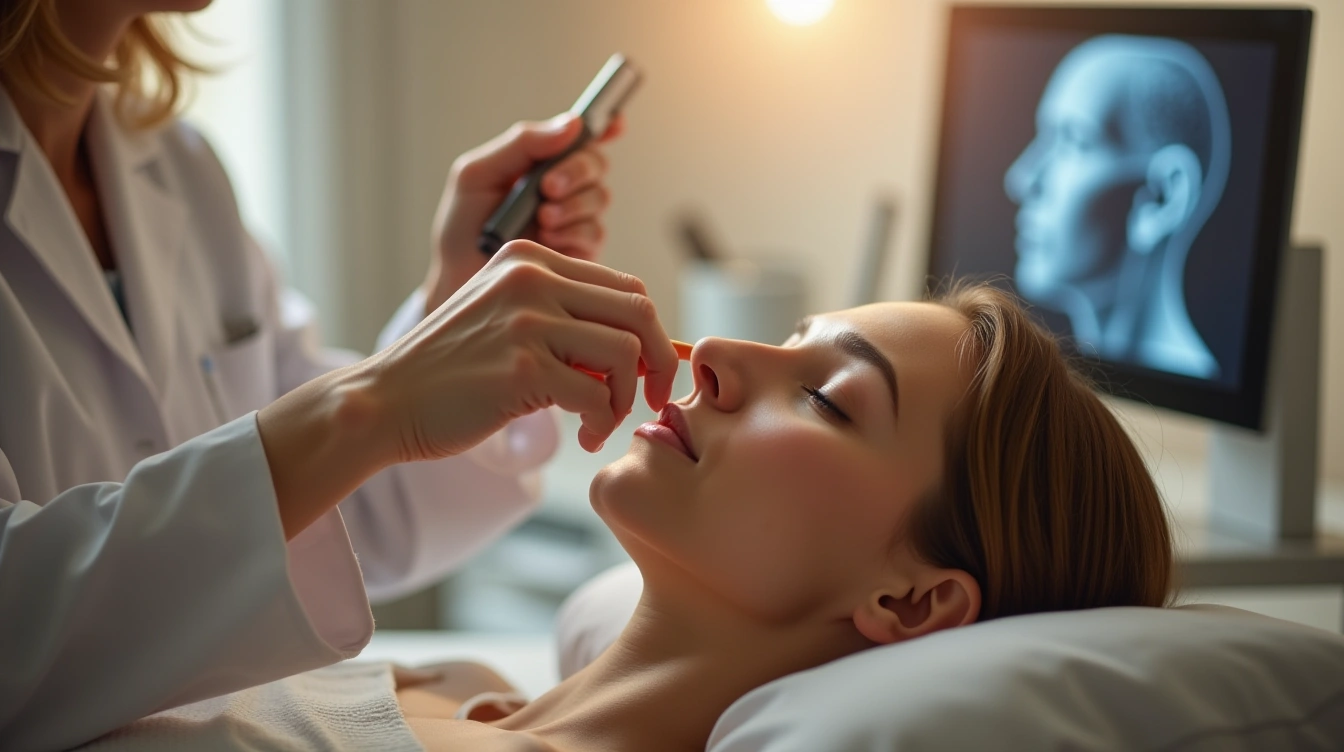
A wide range of medical and cosmetic procedures now exist to specifically target deep lines. These solutions differ in terms of intensity, recovery time, and longevity. Consulting with experienced professionals ensures that the chosen method matches one’s unique skin characteristics and wrinkle patterns.
What are injectables and how do they work?
Injectables remain among the most popular and reliable methods for managing deep lines. Botox and botulinum treatments temporarily relax muscles responsible for expression lines, such as those on the forehead and around the eyes. This results in a refreshed look that preserves natural movement, typically lasting several months.
Dermal fillers address deeper creases by restoring lost volume beneath the skin. Using substances like hyaluronic acid, fillers immediately plump folds, especially around the nose and mouth, delivering noticeable smoothing effects. For individuals looking to better understand their therapeutic choices, dedicated resources such as Solutions for Deep Line Treatments provide clear overviews about medical and cosmetic intervention options.
How do resurfacing techniques improve skin texture?
Resurfacing procedures can significantly enhance skin smoothness and reduce the depth of lines. Laser skin resurfacing uses precise beams of light to remove damaged outer layers and stimulate new collagen growth, leading to firmer and more uniform skin after healing.
Chemical peels involve applying customized acidic solutions to exfoliate and peel away aged, wrinkled skin, encouraging healthy regeneration. The strength and type of peel are tailored to the severity and location of deep lines for optimal safety and efficacy.
Collagen stimulation and non-invasive technologies
Modern treatments increasingly focus on activating the body’s own repair mechanisms to combat deep lines. These methods work gradually, improving skin quality from within over multiple sessions with minimal downtime.
Which methods stimulate new collagen production?
Collagen forms the essential support network for firm, youthful-looking skin. Techniques such as microneedling create tiny punctures in the surface, triggering the body’s healing response and promoting new tissue formation. Some protocols combine microneedling with energy-based devices for even greater benefits.
Radiofrequency skin tightening delivers controlled heat below the skin’s surface, stimulating the production of both collagen and elastin. Over time, treated areas become naturally tighter and less prone to deep-set wrinkles and sagging.
What roles do abrasion-based treatments play?
Abrasion therapies mechanically remove rough, aged cells to reveal fresher skin underneath. Microdermabrasion and dermabrasion use fine crystals or specialized instruments to polish the skin, promoting cell turnover and refining texture. Microdermabrasion offers gentle improvement suitable for regular maintenance, while dermabrasion targets deeper imperfections but requires longer recovery.
The choice between these methods depends on desired outcomes, pain tolerance, and the severity of existing lines. Professional guidance is recommended to ensure the best possible result.
Topical solutions and daily maintenance
Long-term management of deep lines extends beyond clinical procedures. Incorporating specific active ingredients into a consistent home routine can amplify professional results and help maintain improvements over time.
Which topical products deliver visible results?
Formulations containing proven actives make a significant difference when used regularly. Retinoids, derived from vitamin A, accelerate cell turnover and promote thicker, smoother skin. While prescription retinoids offer the strongest effects, milder over-the-counter versions suit sensitive skin types.
Serums and topical products enriched with peptides, antioxidants, and hyaluronic acid deeply hydrate and reinforce the skin barrier. These products protect against environmental damage and boost suppleness. For best results, apply them under sunscreen every morning.
How does ongoing skincare support deeper treatments?
Consistent, high-quality skincare prolongs the benefits of professional interventions. Gentle cleansers, adequate moisturization, and vigilant sun protection help prevent the formation of new lines. Night creams with rejuvenating compounds support overnight repair and continued collagen production stimulation.
Ultimately, combining in-clinic treatments with advanced at-home care produces the most stable and satisfying improvements for those looking to minimize deep lines.
Comparing the main deep line treatment solutions
Each available solution differs in terms of invasiveness, effect duration, and degree of visible change. Understanding these distinctions helps individuals select the treatments that best align with their goals and preferences.
| 💉 Treatment | ⏳ Duration of effect | 🧑⚕️ Invasiveness | 💸 Typical sessions required |
|---|---|---|---|
| Botox and botulinum treatments | 3–6 months | Minimally invasive | 1 (repeat as needed) |
| Dermal fillers | 6–18 months | Minimally invasive | 1 (repeat as needed) |
| Laser skin resurfacing | 1–5 years | Moderate | 1–3 |
| Chemical peels | Several months | Mild to moderate | 2–6 |
| Microneedling | Months–years (cumulative) | Minimally invasive | 3–6 |
| Radiofrequency skin tightening | Up to 2 years | Minimally invasive | 3–8 |
| Microdermabrasion/dermabrasion | Short–long term | Varies | Multiple |
Frequently asked questions about deep line treatment solutions
What is the difference between botox and dermal fillers?
- 🤲 Botox works by blocking nerve signals to the muscles
- 💧 Fillers physically add volume under the skin
- 🕒 Effect durations differ: Botox lasts 3–6 months, fillers up to 18 months
Are laser treatments safe for all skin types?
- 🔎 Patch testing may be recommended
- 📋 Providers select appropriate wavelengths for safety
Can topical retinoids really help deep lines?
- 🗓 Consistency is key for success
- 🛡 Sunscreen must accompany daytime use to prevent irritation
Is combination therapy more effective than single treatments?
- 🔄 Typical strategies mix injectables, resurfacing, and daily care
- 🌟 Most regimens combine professional and at-home solutions
| 🧪 Method | 🎯 Target |
|---|---|
| Injectables | Muscle, volume loss |
| Resurfacing | Texture, pigment |
| Topicals | Barrier, hydration |